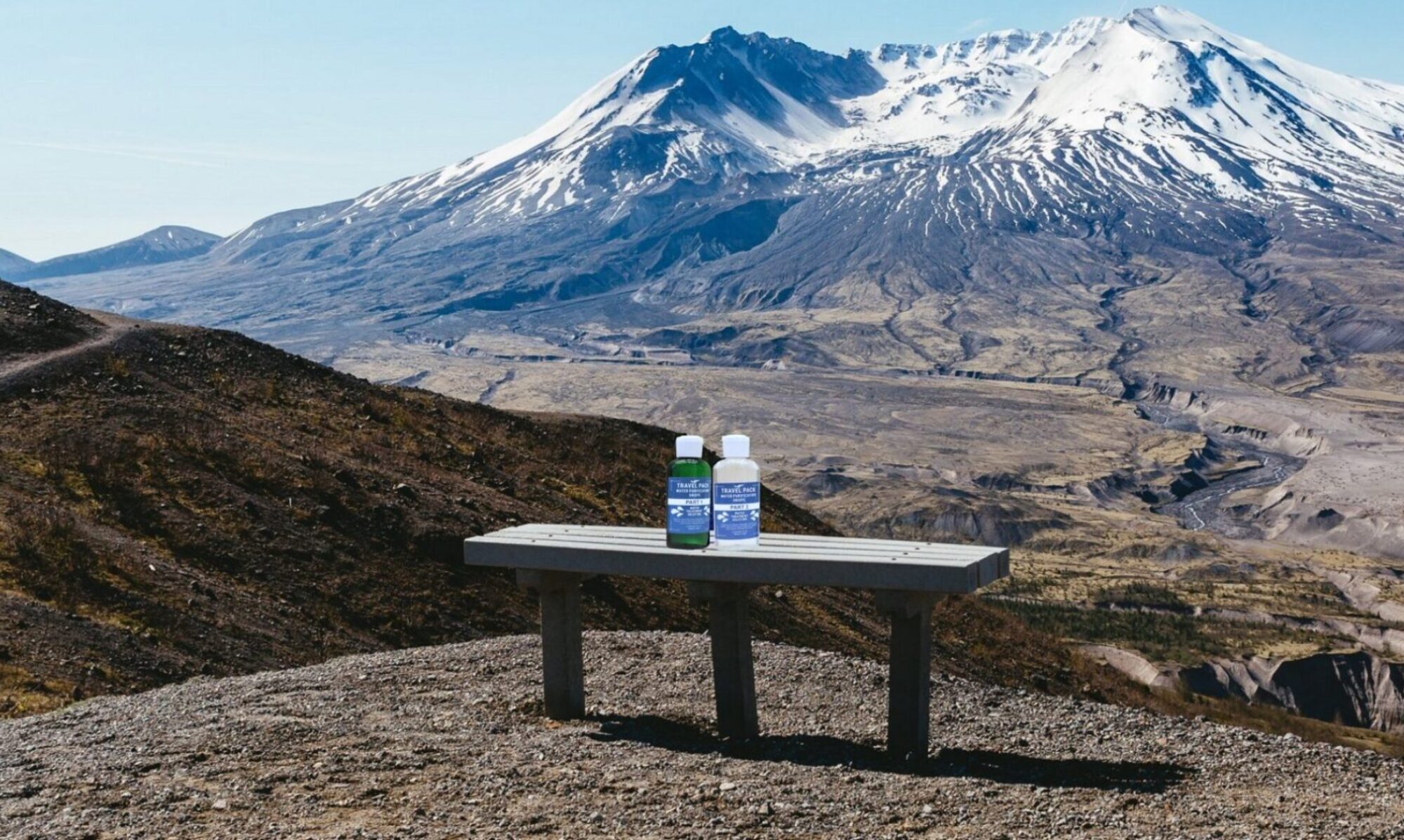
Water Treatment Drops: Simple, Portable, and Activated Only When You Need It. Access to safe drinking water is one of those things people don’t think about until they have to. In the backcountry, after a storm, during travel, or in the middle of a natural disaster, water sources can quickly shift from reliable to questionable. At that point, having a method to make water safer to drink becomes more than convenient; it becomes essential.
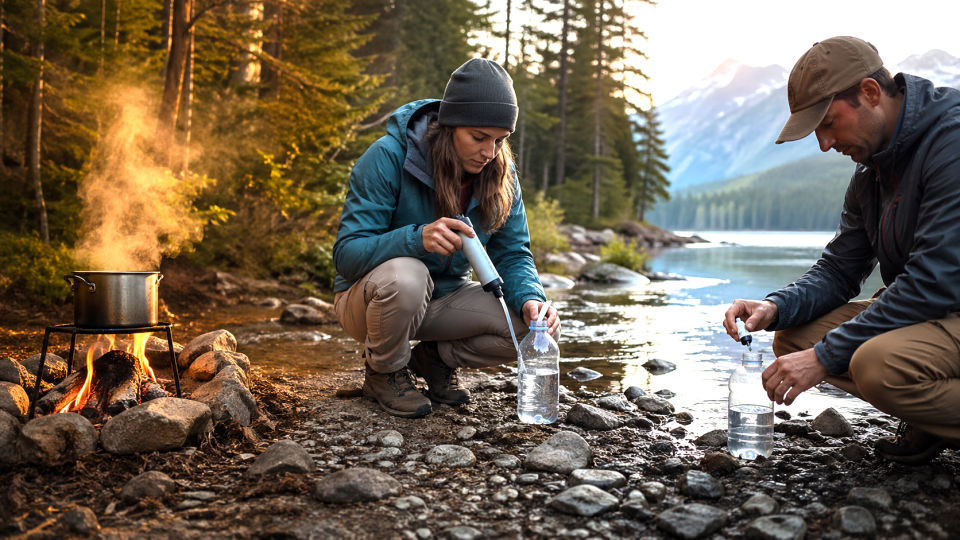
Among the options available, chlorine dioxide water treatment drops have developed a steady following for one reason: They are portable, long-lasting, and activated only when needed.
A Two-Part System with a Simple Advantage
Chlorine dioxide water treatment drops are typically stored in two separate components.
-
-
- One part is a chlorite-based solution
- The other is an activating solution, often acidic in nature
-
When kept separate, these components remain stable for extended periods when stored properly—generally in cool, dark conditions.
The purification agent itself—chlorine dioxide—is not present until the two parts are combined.
That means:
👉 Long shelf life in storage
👉 Fresh activation in the field
👉 No degradation from sitting pre-mixed
This “create it when you need it” approach is one of the reasons similar chemistry has been used in military and emergency response settings where reliability matters.
Designed for Real-World Simplicity
In practical use, these systems are valued for being:
-
-
- compact
- lightweight
- easy to carry
- adaptable to different environments
-
This makes them especially useful for:
-
-
- hikers and backpackers
- campers and overland travelers
- emergency preparedness kits
- international travel
- disaster response situations
-
In these environments, gear that is simple and dependable tends to rise to the top.
Where Chlorine Dioxide Fits in Water Safety
When used properly, chlorine dioxide is recognized for its role in helping reduce a range of waterborne microorganisms.
It has been used in:
-
-
- municipal water treatment systems
- emergency water purification
- industrial sanitation processes
-
At the personal level, this translates into a tool for addressing uncertain water sources, such as:
-
-
- streams and rivers in the wild
- collected rainwater
- stored water during emergencies
- tap water under “boil water” advisories
- travel situations where water quality may vary
-
Examples of Practical Use
People commonly carry chlorine dioxide drops in situations like:
-
- Backcountry Travel
A hiker collecting water from a mountain stream may use purification drops before drinking, especially when upstream conditions are unknown.
-
- Emergency Preparedness
After storms, flooding, or infrastructure disruption, local water systems may issue advisories. Portable purification provides an additional option when boiling isn’t practical.
-
- International Travel
Travelers visiting regions with uncertain water quality often carry compact purification systems as a precaution.
-
- Outdoor Recreation
Campers and outdoor enthusiasts use them as part of a lightweight water safety strategy, especially when minimizing gear weight matters.
Different Formats and Preferences
Within this category, there are different approaches.
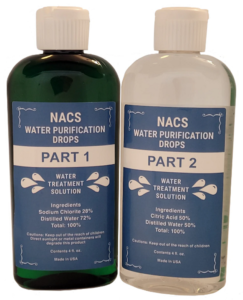
Two-Part Drop Systems
Many users prefer two-part systems because they:
-
-
- allow for fresh activation
- offer long shelf life
- are easy to transport
-
Some brands emphasize simplicity in their approach, with straightforward ratios and short activation times, though specific instructions vary by manufacturer and should always be followed.
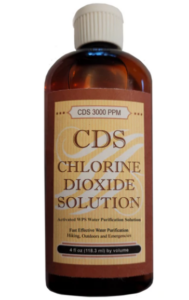
Pre-Made Chlorine Dioxide Solutions
There are also pre-prepared liquid forms of chlorine dioxide, sometimes referred to as stabilized or ready-to-use solutions.
These typically:
-
-
- require no mixing
- are used directly as a liquid
- trade convenience for shorter shelf stability once opened
-
Because they are already in solution, they may require larger volumes to achieve the same effect compared to freshly activated drops.
A Note on Comparisons
Chlorine dioxide is often discussed alongside other purification methods, including chlorine, filtration, and boiling.
Each method has its own strengths and limitations.
Rather than one being universally “better,” the choice often depends on:
-
-
- the water source
- available equipment
- time constraints
- personal preference
-
Chlorine dioxide stands out for its portability and ease of use, especially in field conditions.
Availability and Accessibility
Chlorine dioxide water purification products are widely available.
They can often be found:
-
-
- in outdoor and sporting goods stores
- in camping and hiking sections
- through travel and preparedness retailers
-
This accessibility has contributed to their growing use among people who prioritize self-sufficiency and preparedness.
Water Purification Methods Comparison
| Method | How It Works | Key Points (Strengths & Limitations) |
| Chlorine Dioxide Drops | Chemical treatment activated in water to reduce microorganisms | ✔ Lightweight and portable ✔ Long shelf life (two-part systems) ✔ Helps reduce bacteria, viruses, and many protozoa (with proper use and contact time) ✔ No pumping required ✖ Requires wait time before drinking ✖ Does not remove sediment or chemicals |
| Water Filters (Pump, Gravity, Straw) | Physical filtration through a membrane or porous material | ✔ Immediate drinking (no wait time) ✔ Improves clarity and taste ✔ Removes bacteria, protozoa, and sediment ✖ Most do not remove viruses ✖ Can clog and require maintenance ✖ Bulkier than drops |
| Boiling | Heat kills microorganisms by raising water temperature | ✔ Highly effective when done properly ✔ No chemicals required ✔ Widely recommended in emergencies ✖ Requires fuel and time ✖ Does not remove sediment or chemicals ✖ Less practical in mobile situations |
Clean water is one of the most basic needs—and one of the easiest to overlook until conditions change.
A portable purification method that is:
-
-
- easy to carry
- simple to activate
- and stable in storage
-
can make a meaningful difference when water quality is uncertain.
Chlorine dioxide water treatment drops offer one such option, used across environments ranging from municipal systems to remote outdoor settings.
For many, they’ve become a quiet but reliable addition to the pack.

This article is for informational purposes only. Always follow the manufacturer’s instructions when using any water purification product. No single method is effective in all conditions, and water quality can vary widely depending on source and environment.