Field-Ready Chlorine Dioxide Water Treatment Drops On-Demand

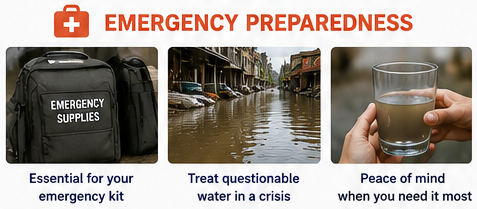
Water Treatment Drops: Simple, Portable, and Activated Only When You Need It. Access to safe drinking water is one of those things people don’t think about until they have to. In the backcountry, after a storm, during travel, or in the middle of a natural disaster, water sources can quickly shift from reliable to questionable. At that point, having a method to make water safer to drink becomes more than convenient; it becomes essential.

Among the options available, chlorine dioxide water treatment drops have developed a steady following for one reason: They are portable, long-lasting, and activated only when needed.

A Two-Part System with a Simple Advantage

Chlorine dioxide water treatment drops are typically stored in two separate components.

      • One part is a chlorite-based solution
      • The other is an activating solution, often acidic in nature

When kept separate, these components remain stable for extended periods when stored properly—generally in cool, dark conditions.

The purification agent itself—chlorine dioxide—is not present until the two parts are combined.

That means:

👉 Long shelf life in storage
👉 Fresh activation in the field
👉 No degradation from sitting pre-mixed

This “create it when you need it” approach is one of the reasons similar chemistry has been used in military and emergency response settings where reliability matters.

Designed for Real-World Simplicity

In practical use, these systems are valued for being:

      • compact
      • lightweight
      • easy to carry
      • adaptable to different environments

This makes them especially useful for:

      • hikers and backpackers
      • campers and overland travelers
      • emergency preparedness kits
      • international travel
      • disaster response situations

In these environments, gear that is simple and dependable tends to rise to the top.

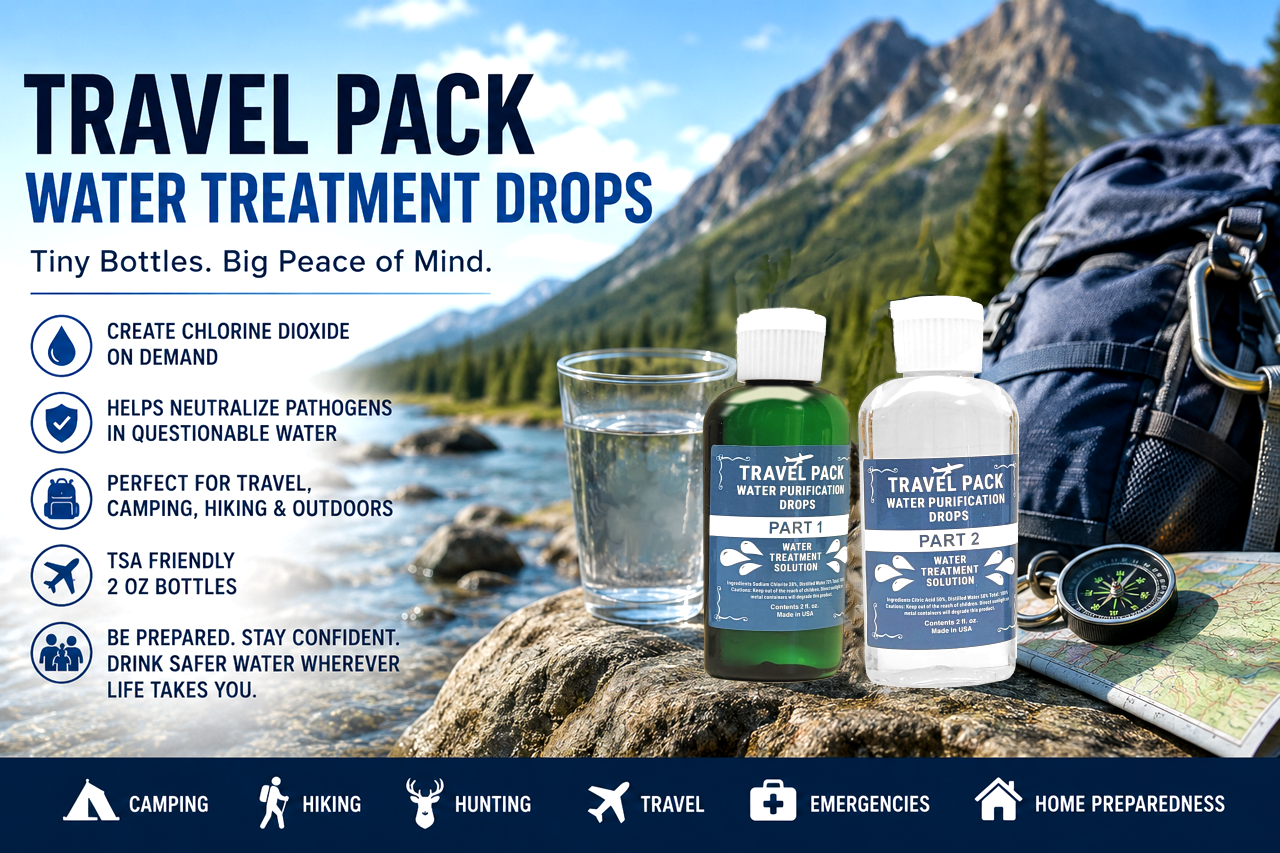
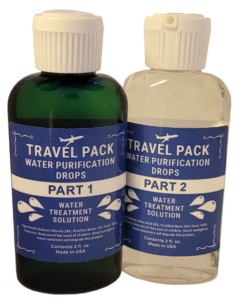
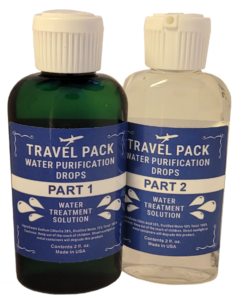
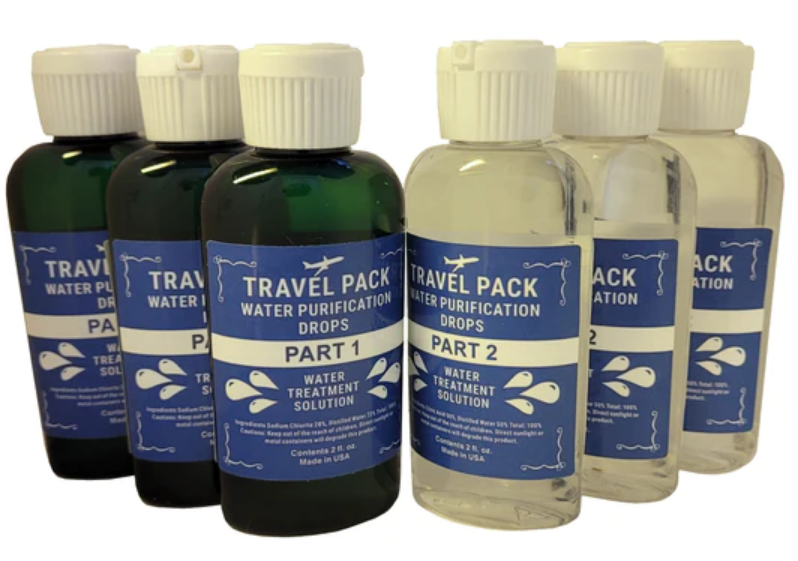
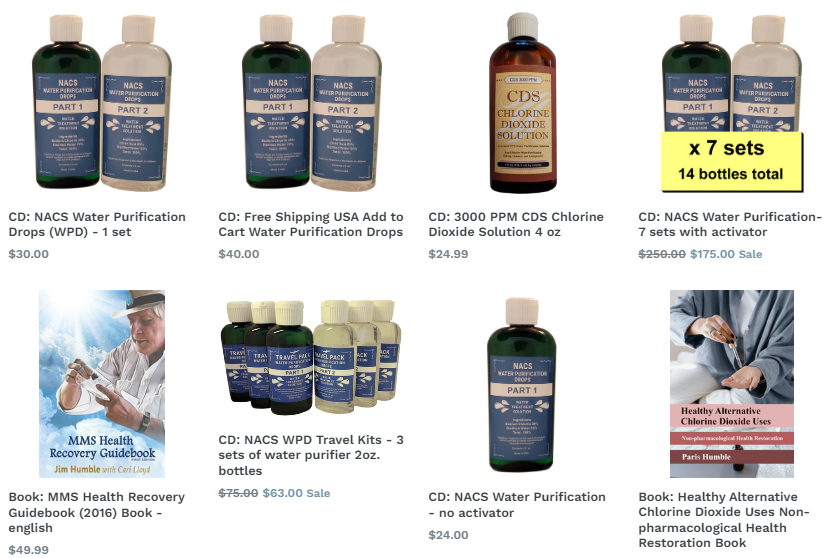
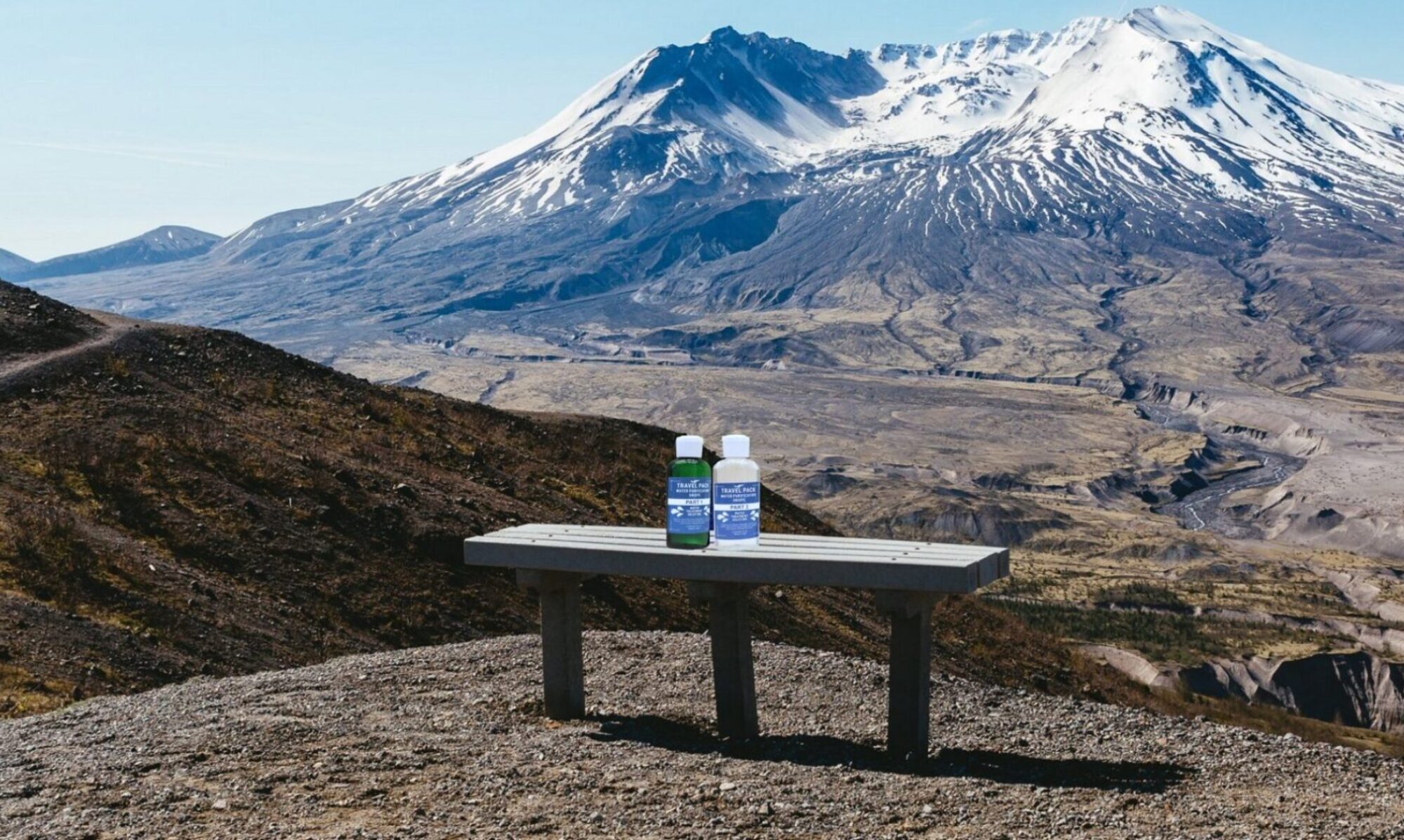
Travel Pack Water Purification Drops

Where Chlorine Dioxide Fits in Water Safety

When used properly, chlorine dioxide is recognized for its role in helping reduce a range of waterborne microorganisms.

It has been used in:

      • municipal water treatment systems
      • emergency water purification
      • industrial sanitation processes

At the personal level, this translates into a tool for addressing uncertain water sources, such as:

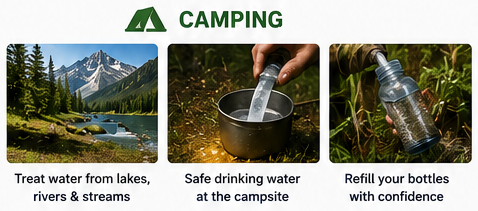
      • streams and rivers in the wild
      • collected rainwater
      • stored water during emergencies
      • tap water under “boil water” advisories
      • travel situations where water quality may vary

Examples of Practical Use

People commonly carry chlorine dioxide drops in situations like:

    1. Backcountry Travel

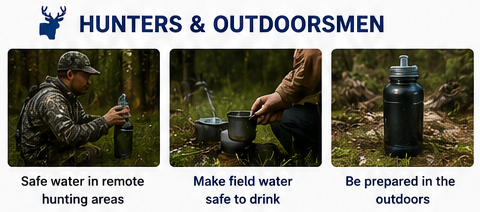
A hiker collecting water from a mountain stream may use purification drops before drinking, especially when upstream conditions are unknown.

    1. Emergency Preparedness

After storms, flooding, or infrastructure disruption, local water systems may issue advisories. Portable purification provides an additional option when boiling isn’t practical.

    1. International Travel

Travelers visiting regions with uncertain water quality often carry compact purification systems as a precaution.

    1. Outdoor Recreation

Campers and outdoor enthusiasts use them as part of a lightweight water safety strategy, especially when minimizing gear weight matters.

Different Formats and Preferences

Within this category, there are different approaches.

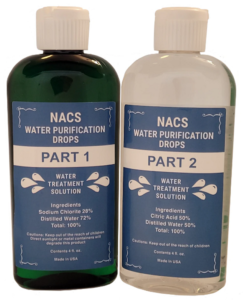
Chlorine Dioxide 2-Part Kit

Two-Part Drop Systems

Many users prefer two-part systems because they:

      • allow for fresh activation
      • offer long shelf life
      • are easy to transport

Some brands emphasize simplicity in their approach, with straightforward ratios and short activation times, though specific instructions vary by manufacturer and should always be followed.

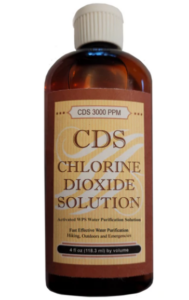
3000 PPM Chlorine Dioxide Solution

Pre-Made Chlorine Dioxide Solutions

There are also pre-prepared liquid forms of chlorine dioxide, sometimes referred to as stabilized or ready-to-use solutions.

These typically:

      • require no mixing
      • are used directly as a liquid
      • trade convenience for shorter shelf stability once opened

Because they are already in solution, they may require larger volumes to achieve the same effect compared to freshly activated drops.

A Note on Comparisons

Chlorine dioxide is often discussed alongside other purification methods, including chlorine, filtration, and boiling.

Each method has its own strengths and limitations.

Rather than one being universally “better,” the choice often depends on:

      • the water source
      • available equipment
      • time constraints
      • personal preference

Chlorine dioxide stands out for its portability and ease of use, especially in field conditions.

Availability and Accessibility

Chlorine dioxide water purification products are widely available.

They can often be found:

      • in outdoor and sporting goods stores
      • in camping and hiking sections
      • through travel and preparedness retailers

This accessibility has contributed to their growing use among people who prioritize self-sufficiency and preparedness.

Water Purification Methods Comparison

Method How It Works Key Points (Strengths & Limitations)
Chlorine Dioxide Drops Chemical treatment activated in water to reduce microorganisms ✔ Lightweight and portable
✔ Long shelf life (two-part systems)
✔ Helps reduce bacteria, viruses, and many protozoa (with proper use and contact time)
✔ No pumping required
✖ Requires wait time before drinking
✖ Does not remove sediment or chemicals
Water Filters (Pump, Gravity, Straw) Physical filtration through a membrane or porous material ✔ Immediate drinking (no wait time)
✔ Improves clarity and taste
✔ Removes bacteria, protozoa, and sediment
✖ Most do not remove viruses
✖ Can clog and require maintenance
✖ Bulkier than drops
Boiling Heat kills microorganisms by raising water temperature ✔ Highly effective when done properly
✔ No chemicals required
✔ Widely recommended in emergencies
✖ Requires fuel and time
✖ Does not remove sediment or chemicals
✖ Less practical in mobile situations

Clean water is one of the most basic needs—and one of the easiest to overlook until conditions change.

A portable purification method that is:

      • easy to carry
      • simple to activate
      • and stable in storage

can make a meaningful difference when water quality is uncertain.

Chlorine dioxide water treatment drops offer one such option, used across environments ranging from municipal systems to remote outdoor settings.

For many, they’ve become a quiet but reliable addition to the pack.

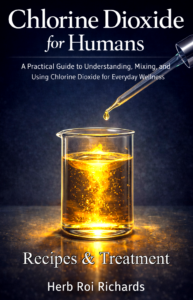
Chlorine Dioxide for Humans Book

This article is for informational purposes only. Always follow the manufacturer’s instructions when using any water purification product. No single method is effective in all conditions, and water quality can vary widely depending on source and environment.


Chlorine Dioxide Kits for Outdoor Adventurer and Emergencies

If you’re the kind of person who finds peace and excitement in the wilderness, you already know that having multiple ways to meet your survival needs is critical. Whether you’re hiking, biking, camping, or preparing for an emergency situation, food, water, and shelter are the essentials. Of these, water is the most urgent—and ensuring it’s safe to drink is non-negotiable. That’s where NACS Chlorine Dioxide Water Treatment Drops come in: a compact, reliable, and powerful solution for making water safe anywhere, anytime.

Why You Need a Backup Water Treatment Plan

Even if you already own a portable water filter or purification straw, no seasoned adventurer or prepper relies on just one solution. Filtration systems can clog, break, or fail when you need them most. NACS Water Treatment Drops are the perfect backup—or primary—solution. It’s lightweight, easy to carry, and capable of treating large volumes of water, making it ideal for both short-term outings and long-term storage.

Long-Term Water Protection for Emergencies

In preparedness planning, a secure, long-term water supply is foundational. But here’s the thing—water doesn’t stay treated forever. Over time, stored water can become a breeding ground for mold, bacteria, viruses, and other pathogens. With NACS Water Treatment Drops, you can extend the life of your stored water and keep it safe to use when you need it most. Just a few drops per container can keep your water fresh, clean, and drinkable for months at a time.

A Versatile Solution for Everyday and Emergency Use

NACS isn’t just for emergency kits. It’s ideal for:

    • Outdoor Adventures – Treat water from lakes, rivers, or questionable taps while hiking, camping, or biking.
    • Travel – TSA-approved Travel Pack, making it perfect for international travel or uncertain hotel water quality.
    • Household Use – Use it to disinfect surfaces, clean fruits and vegetables, or treat water for pets.
    • Personal Hygiene – Effective for odor control and pathogen removal, even in off-grid situations.

This treatment is so versatile because chlorine dioxide is one of the most effective and safe purifiers available. It doesn’t leave toxic residues or metallic aftertastes like iodine or chlorine bleach, and won’t discolor your water. In fact, it enhances the natural flavor of water, making it more pleasant to drink. It’s no surprise that the CDC recommends chlorine dioxide for water disinfection in the outdoors.

Easy-to-Use Dropper Top System

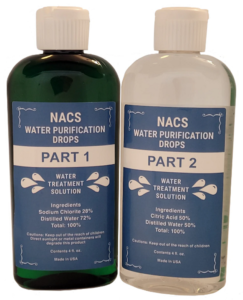
The NACS 2-part chlorine dioxide kit includes: Part 1 (Sodium Chlorite) and Part 2 (Citric Acid Activator). Mix them in equal parts in a clean glass, wait a few seconds for activation, and then add to your water supply. Here’s a simple dosage guide:

    • 32 oz of water – 5 drops of each part
    • 5 gallons of water – 1 teaspoon of each
    • 30 gallons – 2 tablespoons of each
    • 60 gallons – 4 tablespoons of each

This means one ounce can treat up to 30 gallons, and with a 4-year shelf life, it’s one of the most cost-effective water treatment options available.

Benefits at a Glance

✅ Destroys bacteria, viruses, mold, fungus, parasites, and biofilms
✅ Improves water taste—no metallic or chemical aftertaste
✅ Doesn’t discolor water like iodine or bleach
✅ Safe for humans and animals
✅ TSA approved, lightweight, and portable
✅ Great for water storage, food prep, hygiene, and surface cleaning
✅ Made in the USA
✅ Long shelf life (4 years)

When Clean Water Matters Most

Whether you’re facing a natural disaster, on a multi-day trek through the mountains, or just enjoying a weekend at the lake, having clean, drinkable water is essential. And in a crisis where municipal water supplies are compromised or unavailable, you’ll want the peace of mind that comes from having a trusted water treatment solution on hand.

With NACS Chlorine Dioxide Drops in your go-bag, glove compartment, or emergency food kit, you’ll never be caught off guard. It’s not just a product—it’s peace of mind in a bottle.


CD Water Purification Drops for Outdoorsmen, Hikers, Campers

For those who are passionate about hiking or spend extensive periods in the great outdoors, the significance of safe water is paramount. It takes just one encounter with contaminated water to disrupt your well-being, potentially resulting in stomach issues or even a hospital visit. When immersed in nature, locating a safe water source isn’t always straightforward. Carrying gallons of water during outdoor adventures can be impractical.

We are so proud to find that our water purification drops, alternately referred to as water treatment drops or water purifying drops, offer a convenient and portable solution, are the best choice for outdoorsmen, hikers, campers, and exploration teams who prioritize making travel pack water treatment drops part of their routine and emergency travel kits.

You can rest assured that if you have them with you before embarking on your next journey, you will always have access to safe drinking water. Furthermore, if you possess a cabin or any remote location with questionable water quality, these water purification drops serve as an effective means to guarantee the safety of your drinking water.

Ever wonder what makes chlorine dioxide the powerful component of any water treatment kit? The following is how chlorine dioxide water treatment drops work and how they purify questionable water making it safe to drink.

How Chlorine Dioxide Water Purifier Works

While it may not initially sound like a safe option, chlorine dioxide stands out as an ideal chemical compound for achieving water purification with the simplicity of a few drops. Municipalities have been relying on it for years to treat their city water supplies, and you can employ it as well to effectively disinfect and render any water source safe for consumption.

At room temperature, chlorine dioxide presents itself as an amber-yellow substance. However, when introduced into water, it rapidly dissolves. Functioning as a potent disinfectant, chlorine dioxide exhibits the capability to eradicate bacteria, viruses, and even parasites that pose health risks. In fact, the Environmental Protection Agency (EPA) not only recognizes but also recommends the use of chlorine dioxide as water purification drops to facilitate the creation of safe drinking water.

Additionally, the incorporation of chlorine dioxide into drinking water serves the purpose of eliminating unpleasant tastes and odors. This contributes to improving the overall palatability of the water. By exterminating bacteria and algae that can be off-putting to the senses, chlorine dioxide plays a vital role. This multifunctionality is also the reason why it finds application in various personal hygiene products, mouthwashes, and similar items.

How to Use Water Purification Drops

Achieving safe-to-drink water with our chlorine dioxide water purification kits is a straightforward process.

Mix the Solution

Begin by adding two drops from the Part A bottle and two drops from the Part B bottle into a small glass container, such as a shot glass.

Swirl and Activate

Gently swirl the contents for a few seconds. Allow the mixture to activate for a period of 30 to 60 seconds.

Dilution

After activation, add the mixture to 16 ounces of water. Adjust the number of drops used based on the amount of drinking water you wish to create. For instance, a mixture of one drop of Part 1 and one drop of Part 2 can purify 8 ounces of water.

To maintain the freshness of each bottle, store them in a cool, dark place away from direct sunlight or excessive heat. A fridge or a dark pantry is an ideal storage location, only removing the bottles when needed. If you plan to carry the bottles with you, avoid placing them in pockets where they may warm up next to your body. Instead, keep them deep within a dark backpack, avoiding front or top pockets. Our product retains its efficacy indefinitely when stored correctly.

Regarding the longevity of treated water, several factors come into play. If the treated water is stored away from sunlight and in temperatures below 75 degrees Fahrenheit, it can remain clean for approximately four years. However, if the water is exposed to heat or sunlight, simply repeat the treatment process to ensure it remains safe and clean prior to consumption.


How to Use Chlorine Dioxide Water Purification Drops

Access to clean and safe drinking water is essential for human health. Unfortunately, not all water sources are pristine, and consuming contaminated water can lead to a host of health issues. Many outdoor enthusiasts, travelers, and emergency preppers turn to water purification drops to address this concern. In particular, chlorine dioxide water purification drops have gained popularity due to their effectiveness in eliminating harmful microorganisms. Learn how to use chlorine dioxide water purification drops to ensure your drinking water is safe and clean.

Why Safe Drinking Water Matters

Before delving into the usage of chlorine dioxide water purification drops, it’s crucial to understand the importance of safe drinking water. Waterborne diseases caused by bacteria, viruses, and parasites are a significant global health concern. Contaminated water can lead to illnesses such as cholera, dysentery, giardiasis, and more. These illnesses can be severe, especially in vulnerable populations like children, the elderly, and individuals with weakened immune systems.

When you’re hiking, camping, traveling, or facing emergency situations, you may not have access to treated tap water. Instead, you might rely on natural water sources like rivers, lakes, or streams. Unfortunately, these sources can harbor harmful microorganisms that can make you sick. This is where water purification drops come into play.

The Power of Chlorine Dioxide

Chlorine dioxide (ClO2) is a powerful and effective water disinfectant. It is widely recognized and recommended by health organizations like the EPA (Environmental Protection Agency) for water treatment. Here’s why chlorine dioxide is so effective:

  1. Broad-Spectrum Disinfection: Chlorine dioxide eliminates a wide range of pathogens, including bacteria, viruses, and parasites. It oxidizes and destroys their cellular structures, rendering them harmless.
  2. Taste and Odor Removal: Besides disinfection, chlorine dioxide can also improve the taste and odor of water by eliminating algae, bacteria, and organic compounds that contribute to unpleasant flavors and smells.
  3. Rapid Action: Chlorine dioxide acts quickly, disinfecting water within minutes. This fast action makes it ideal for on-the-go water treatment.

Steps to Use Chlorine Dioxide Water Purification Drops

Now that you understand why chlorine dioxide is an excellent choice for water purification, let’s explore how to use it effectively:

  1. Gather Your Supplies: You’ll need chlorine dioxide water purification drops, a clean container, and the water you want to treat.
  2. Measure the Drops: Read the product instructions to determine the correct dosage. Typically, you’ll mix equal drops from two separate bottles labeled Part 1 and Part 2 (alternatively Part A and Part B). For instance, if the instructions recommend two drops of each, follow that dosage.
  3. Mix Thoroughly: Combine the specified number of drops from Part 1 and Part 2 in your clean container. Swirl the mixture gently for a few seconds to ensure even distribution.
  4. Activation Time: Let the mixture sit and activate for the recommended duration, usually 30 to 60 seconds. During this time, chlorine dioxide is generated and becomes effective.
  5. Add to Water: After activation, pour the treated mixture into the water you wish to purify. Stir the water to ensure proper distribution of the chlorine dioxide.
  6. Wait: Allow the treated water to sit for the recommended contact time specified in the product instructions. This waiting period ensures that the chlorine dioxide has sufficient time to disinfect the water thoroughly. Wait time may vary according to the condition of the water being purified.
  7. Enjoy Safe Water: Once the contact time has passed, your water should be safe to drink. You can now enjoy clean and purified water, free from harmful microorganisms.

Storage and Shelf Life

Proper storage of chlorine dioxide water purification drops is essential to maintain their effectiveness. Store the bottles in a cool, dark place, away from direct sunlight and excessive heat. A refrigerator or a dark pantry is an ideal storage location. These drops have an extended shelf life as long as they are stored correctly.


Conclusion

Access to safe drinking water is a fundamental human right and a necessity, especially when you’re away from treated water sources. Chlorine dioxide water purification drops provide a reliable and efficient way to ensure that the water you consume is free from harmful pathogens. By following the simple steps outlined above, you can enjoy peace of mind during your outdoor adventures, travels, or emergency situations, knowing that you have a powerful tool to safeguard your health by purifying your water supply.


Purifying Your Drinking Water Health, Environment and Safety

Ensuring access to safe drinking water is a fundamental human need, and the purification of drinking water serves as a crucial step in maintaining good health. Numerous factors, from environmental challenges to unpleasant tastes and contaminants, can affect the quality of our drinking water. Fortunately, there are various methods available for purifying water, including the use of water purification drops, to ensure that you and your family enjoy safe and uncontaminated drinking water.

Why Purify Your Drinking Water?


Eliminating Unwanted Contaminants

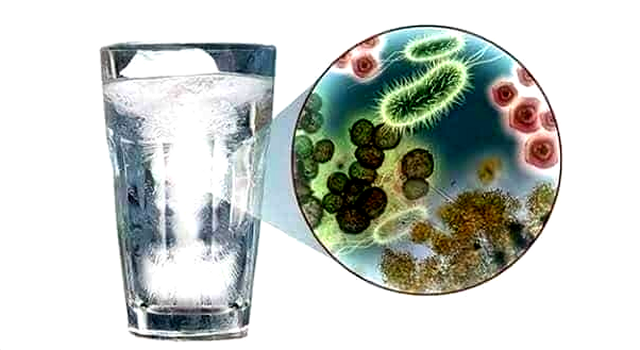
Water supplies can occasionally contain biological, chemical, radiological, and physical compounds that pose potential health risks. While water authorities strive to maintain acceptable compound levels, it’s impossible to eliminate all contaminants.

To ensure absolute water safety from the tap, consider the use of water purification drops. This additional step helps eliminate any remaining contaminants in your water, providing you with peace of mind and control over your water’s safety.

Protecting the Environment by Reducing Bottle Usage

Concerns about water contamination often led people to opt for bottled water, believing it to be a safer choice. However, this trend has environmental consequences.

Bottled water consumption has increased by 10 percent annually over the past decade, contributing to pollution from plastic manufacturing, transportation, and energy usage. This makes bottled water less eco-friendly.

By purifying your tap water with drops, you not only save money but also contribute to environmental preservation. It’s estimated that water purification reduces bottled water consumption by 17 percent, significantly reducing plastic waste.

Adding an Extra Layer of Security

Public water supplies in developed areas typically provide treated water that is considered safe for consumption. However, some individuals remain concerned about water quality.

To enhance your confidence in the safety of your drinking water, consider using water purification drops. These drops provide an extra layer of protection, particularly in cases of aging infrastructure or faulty water supply systems.

Moreover, they help remove potential residues from public water supply treatment plants and safeguard against contamination resulting from extreme weather events.

Protecting Your Health

Consumption of unsafe water can lead to severe health issues such as cholera, dysentery, and diarrhea. Even in areas with relatively reliable public water supplies, aging infrastructure can introduce contamination.

To mitigate health risks associated with untreated water, it’s essential to purify your drinking water, ensuring that you and your family remain in good health.
Enhancing the Taste of Your Tap Water

Drinking safe water is a cornerstone of a healthy life, but unpleasant tastes or odors can make this less enjoyable.

Some of these taste issues may result from the chlorine used in water disinfection. By adopting proper water purification methods, you can eliminate these undesirable tastes and harmful compounds.

Additionally, water purification helps reduce excessive chlorine levels and the presence of inorganic and organic substances, ensuring that your tap water tastes better and is healthier to consume.

Conclusion

Purifying your drinking water is not just a matter of convenience; it’s a fundamental step in safeguarding your health, protecting the environment, and ensuring water safety. Whether you’re concerned about contaminants, environmental impact, or water taste, water purification drops offer a reliable solution. By taking control of your drinking water quality, you contribute to a healthier, safer, and more sustainable future.

Chlorine Dioxides Pathogen Fighting Prowess with 5 Electrons

Chlorine dioxide (ClO2) is a chemical compound renowned for its remarkable capacity to wage a microscopic battle against pathogens. This powerful oxidizing agent with its five weaponous electrons possesses the unique ability to accept multiple electrons from harmful microbes, making it a superior biocide compared to alternative oxidizers. Chlorine dioxide is so safe that the FDA approves its direct application to food.

Chlorine dioxide operates as an oxidant, meaning it can snatch electrons from other compounds during chemical reactions. This unique characteristic renders it highly toxic to a broad spectrum of bacteria and fungi. When chlorine dioxide encounters these microorganisms, it essentially weakens their molecular bonds, causing their cells to disintegrate. This process doesn’t stop there; it also alters the proteins within their structure, reducing enzyme function and ultimately resulting in the microbe’s demise.

Chlorine Dioxide Advantages

  • Accepts up to five electrons per molecule from pathogens.
  • Initiates a rapid and effective microbial destruction process.
  • Selectively targets harmful pathogens without harming healthy cells.

Let’s take a look at the science at work behind the scenes, especially reviewing the 5 electrons that makes chlorine dioxide the most powerful pathogen-killing biocide.

Chemical Capacity

The capacity of chemicals refers to the number of electrons a molecule can accept from its surroundings. In the case of ClO2, each molecule can gain up to five electrons from microbial species, setting it apart from oxidizers that typically acquire only two electrons.

Chlorine Dioxide’s 5 Electron Weapons

Chlorine dioxide operates as a disinfectant primarily through oxidation, setting it apart as the sole biocide functioning as a molecular free radical. It boasts 19 electrons, displaying a distinctive affinity for substances that either release or absorb electrons. Notably, chlorine dioxide exclusively engages with compounds that emit electrons. In stark contrast, chlorine tends to incorporate a chlorine atom into or replace one within the substance it interacts with.

Chlorine dioxide exploding pathogen

With 5 electrons to act as powerful weapons against any nonbeneficial pathogen and with a molecular weight containing 263% ‘available chlorine,’ it surpasses the oxidation capacity of chlorine by over 2.5 times.

When chlorine dioxide encounters a pathogen by donating up to 5 electrons to the anti-human pathogen causing it to essentially explode. It can also steal up to 5 electrons causing the pathogen to starve to death or implode.

When a chlorine dioxide ion encounters a pathogen, it initiates a rapid and destructive process akin to a microscopic explosion. This ion swiftly extracts up to five electrons from the pathogen, rendering it powerless and inert. Remarkably, this process is entirely harmless to human cells.

What sets chlorine dioxide apart is its ability to simultaneously target multiple proteins, preventing microorganisms from mutating and developing resistance. This makes it a formidable adversary against various pathogens, including notorious culprits like E. coli, MRSA, staph, and Listeria, all while being gentle on human skin.

Chlorine Dioxide in Action

Throughout the body, chlorine dioxide ions are transported via red blood cells to areas where pathogens lurk. These ions act as electric bullets, seeking out and disarming harmful bacteria, viruses, toxins, heavy metals, and parasites. These pathogens typically exhibit pH values outside the body’s healthy range and carry a positive ionic charge. The chlorine dioxide-equipped cells selectively target and neutralize these harmful invaders, leaving beneficial bacteria and healthy cells unharmed.

Oxidation Capacity of Chlorine Dioxide

  • Over 2.5 times greater oxidation capacity compared to chlorine.
  • Highly efficient in electron acceptance and microbial breakdown.
  • Retains antimicrobial activity in the presence of organic matter, preventing resistance.

Selective Oxidation

Chlorine dioxide, or MMS (Miracle Mineral Solution), is adept at withdrawing four or five electrons from the walls of pathogens. It exhibits a strong attraction to these harmful entities, and upon contact, it unleashes its oxidative power. This selective oxidation ensures that beneficial elements within the body remain untouched.

Oxidation Capacity

The oxidation capacity of chlorine dioxide is a testament to its potency. The chlorine atom within ClO2 holds an oxidation number of +4, enabling it to accept up to 5 electrons during reduction. In comparison, chlorine dioxide boasts an oxidation capacity that is over 2.5 times greater than chlorine.

Chlorine dioxide’s electrifying potential as an oxidizing agent is a formidable asset in the fight against pathogens. Its ability to selectively target and neutralize harmful microbes while preserving the integrity of healthy cells makes it a valuable tool within the body’s immune system. This powerful compound’s unique electron-accepting capacity and selective oxidation set it apart as a potent biocide with applications ranging from water treatment to medical therapies. In the microscopic world, chlorine dioxide emerges as a true hero against pathogens, ensuring our well-being and health.

The Crucial Role of Hypochlorous Acid

  • Chlorine dioxide’s unreactive state allows it to contribute to hypochlorous acid production.
  • Hypochlorous acid is essential for eliminating pathogens and maintaining immune system function.
  • A deficiency in hypochlorous acid production is known as myeloperoxidase deficiency, highlighting its significance.

When chlorine dioxide remains unreactive, it may lose an electron or two, allowing it to combine with a vital substance used by the immune system to produce hypochlorous acid. This acid is instrumental in eradicating pathogens, killer cells, and even cancerous cells. A deficiency in hypochlorous acid production is medically referred to as myeloperoxidase deficiency, underscoring its critical role.

Powerful Antiviral 

Chlorine Dioxide is effective against both enveloped and non-enveloped viruses, including respiratory transmitted, enteric, and bloodborne viruses.

Chlorine dioxide isn’t confined to laboratory settings; its practical applications are vast. For example, it serves as a water purifier for campers, hikers, and backpackers who need to disinfect water from natural sources like rivers and lakes. Its antimicrobial properties find extensive use in food sanitation, surgical equipment sterilization, and more.

Microorganisms have shown an inability to develop resistance against chlorine dioxide, accentuating its effectiveness as a disinfectant over time.

Disinfect Before Drinking Water

The practical applications of chlorine dioxide are vast. In drinking water treatment, it excels by eliminating inorganic components like manganese and iron, removing unpleasant tastes and odors, and minimizing the formation of chlorine-related disinfection byproducts.

Chlorine dioxide proves instrumental in ensuring the safety of drinking water distribution networks. It thwarts bacterial growth and biofilm formation, which can be particularly challenging to combat.

Chlorine Dioxide and Biofilms

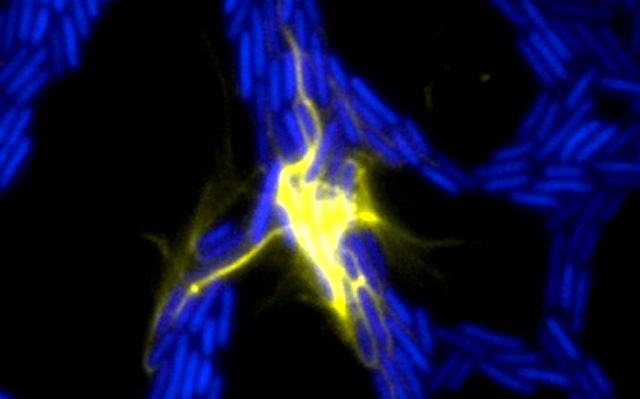
Biofilms create protective layers over pathogenic microorganisms, rendering them inaccessible to most disinfectants. However, chlorine dioxide not only eradicates biofilms but also kills off the enclosed pathogens. It remains active in the system for extended periods, which further discourages biofilm formation.

Head and Shoulders Above the Rest

Chlorine dioxide’s effectiveness extends to the removal of Legionella bacteria and acts as an exceptional disinfectant for water containing viruses.

While chlorine dioxide may be slightly more expensive than chlorine, its exceptional efficiency, long-lasting activity, and impeccable safety record make it an invaluable disinfection tool. It outshines its counterparts in swiftly eradicating microbes without causing harm to humans or animals.


Chlorine Dioxide for Food Safety Commercially and Home Uses.

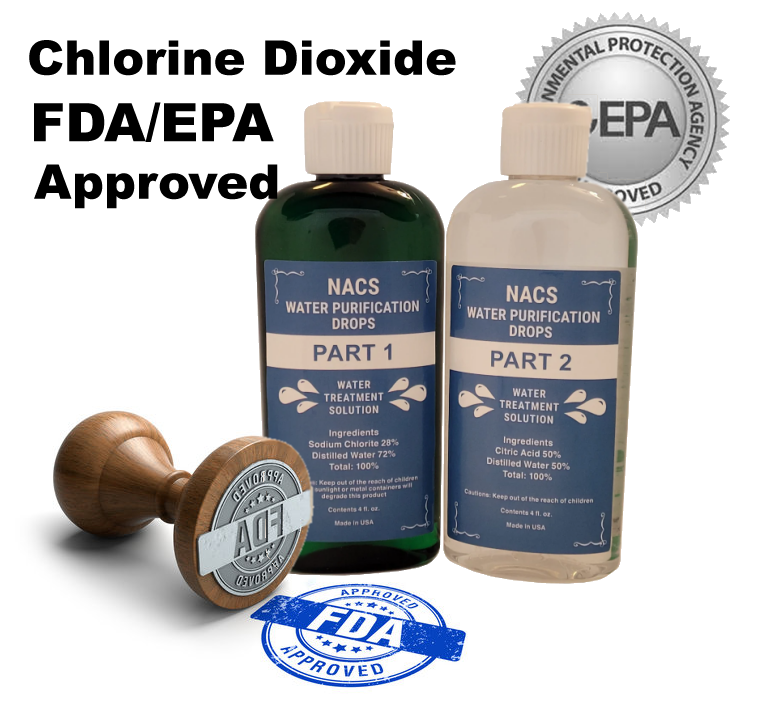
You might wonder why NACS uses chlorine dioxide as the foundation of their Natural Antibacterial Cleaner Solution as featured in Water Purification Drops. The reason the U.S. Food and Drug Administration (FDA) and U.S. Environmental Protection Agency (EPA) approved chlorine dioxide is used as the NACS water treatment drops is due to being the undefeated champion of killing off all known pathogens including bad bacteria, fungus, parasites, and viruses, without being a threat to any other healthy cells or bacteria. No other chemical solution used in water treatment can achieve such sanitary status.

Chlorine Dioxide Makes Your Food Safe to Eat

Chlorine dioxide has emerged as a powerhouse sanitizer that is gaining increasing attention within the food processing industry. As food processors seek more effective sanitation solutions, nothing safe to use is more powerful than chlorine dioxide. It boasts approval from both the FDA and the EPA, positioning itself as the safest potent dominator. Remarkably, it matches the efficacy of peracetic acid while surpassing traditional options like quaternary ammonium salts, chlorine, or bromine. What sets it apart is its minimal environmental impact, making it the best choice for food processing facilities.

In terms of cost, chlorine dioxide aligns with other sanitizers, but its versatility and environmental friendliness make it an attractive alternative. Additionally, it has demonstrated the ability to combat biofilms effectively, a substantial challenge for food processors battling harmful bacteria. Dissimilar to and unlike chlorine, it doesn’t carry the burden of a strong odor or corrosive properties.

Chlorine dioxide’s versatility extends across various sanitation applications, including pasteurization equipment, heat exchangers, cooling towers, hard surface disinfection, potable water treatment, and deodorizing stacks in rendering plants. It has gained traction in the dairy industry, beverage production, fruit and vegetable processing, canning facilities, and poultry and beef processing plants. This multifaceted utility has made it the favored choice for those in the food processing sector.

The oft attacked meat, poultry, microbrewery, and food industries are dependent on the utilization of the most powerful and safe most advanced cleaning and sanitation methods to continue to grow and remain profitable throughout providing their services to the end user. This one chemical, chlorine dioxide can be depended on to eliminate pathogen sources, while combatting their transmission within and throughout food plants, and defeating biofilm formation.

Chlorine dioxide boasts several key advantages:

    1. Exceptional Oxidizing Power: With 2.6 times the oxidizing strength of waterborne chlorine, chlorine dioxide effectively addresses a broad spectrum of microorganisms, with studies indicating up to a 6-log reduction.
    2. Wide pH Tolerance: Unlike chlorine, chlorine dioxide accommodates a broader pH range, enhancing its adaptability in diverse applications. It remains a true gas in solution and reacts minimally with water or organics.
    3. EPA and FDA Approval: Chlorine dioxide is registered with the EPA and approved by the FDA and USDA for use in food processing facilities, both as a disinfectant and food-contact surface sanitizer.
    4. Biofilm Disruption: It excels at dispersing biofilms, making it particularly valuable in facilities with cooling towers, where biofilm buildup poses challenges.
    5. Low Concentration Requirements: Diluted concentrations as low as 5 parts per million (ppm) on food-contact surfaces demonstrate its efficiency, resulting in cost-effectiveness.
    6. Resistance Prevention: Unlike some sanitizers, chlorine dioxide exhibits a lower likelihood of resistance development among problem cells.
    7. Versatile Applications: Chlorine dioxide generators can serve purposes ranging from odor control to sanitation and water purification, offering consistency and practical yield.
    8. Environmental Responsibility: Chlorine dioxide’s breakdown into water, oxygen, and table salt minimizes its corrosiveness and environmental impact. It doesn’t contribute to the formation of harmful trihalomethanes like chlorine bleach and bromide.

Chlorine dioxide’s impressive range of attributes, encompassing potency, versatility, and environmental responsibility, positions it as the standout choice for sanitation in the food processing industry. Its multifaceted utility, safety, and efficacy make it an invaluable asset, driving its adoption among food processors striving to raise the bar for cleanliness and safety.

Using NACS water treatment drops in the kitchen at home

Vegetable Rinse

When it comes to washing your vegetables to remove pathogens, pesticides, and chemicals used in processing, you can create a very mild rinse solution.

How to use NACS drops as a vegetable rinse:

Ingredients:

    • 9 drops of Part 1
    • 9 drops of Part 2
    • One gallon of water

Instructions:

    • Activate Part 1 and Part 2 by combining 9 drops of each.
    • Allow the mixture to activate for 3 minutes.
    • Add the activated solution to one gallon of water.

Use this solution to rinse or dip your vegetables.

Let your veggies soak for 1 minute. Rinse them thoroughly, cook as desired, and enjoy!

Food Prep Equipment

(Including kitchen utensils and cutting board)

For keeping your food prep equipment, kitchen utensils, and cutting boards, countertops, etc., clean, and environmentally friendly, you can use a mild solution.

How to use NACS drops to sanitize food prep equipment:

Ingredients:

    • 8 drops of Part 1
    • 8 drops of Part 2
    • 8 oz of distilled water

Instructions:

    • Activate Part 1 and Part 2 by combining 8 drops of each.
    • Allow the mixture to activate for 3 minutes.
    • Mix the activated solution with 8 oz of distilled water.

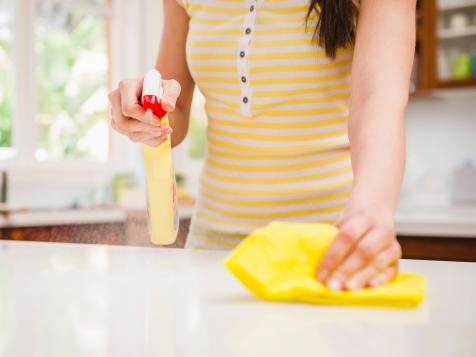
Simply spray or wipe this solution onto your surfaces. No rinsing is required, and it leaves no toxic byproducts behind.

Other Kitchen Gear

Such as ice makers, coffee pots, home breweries, etc.

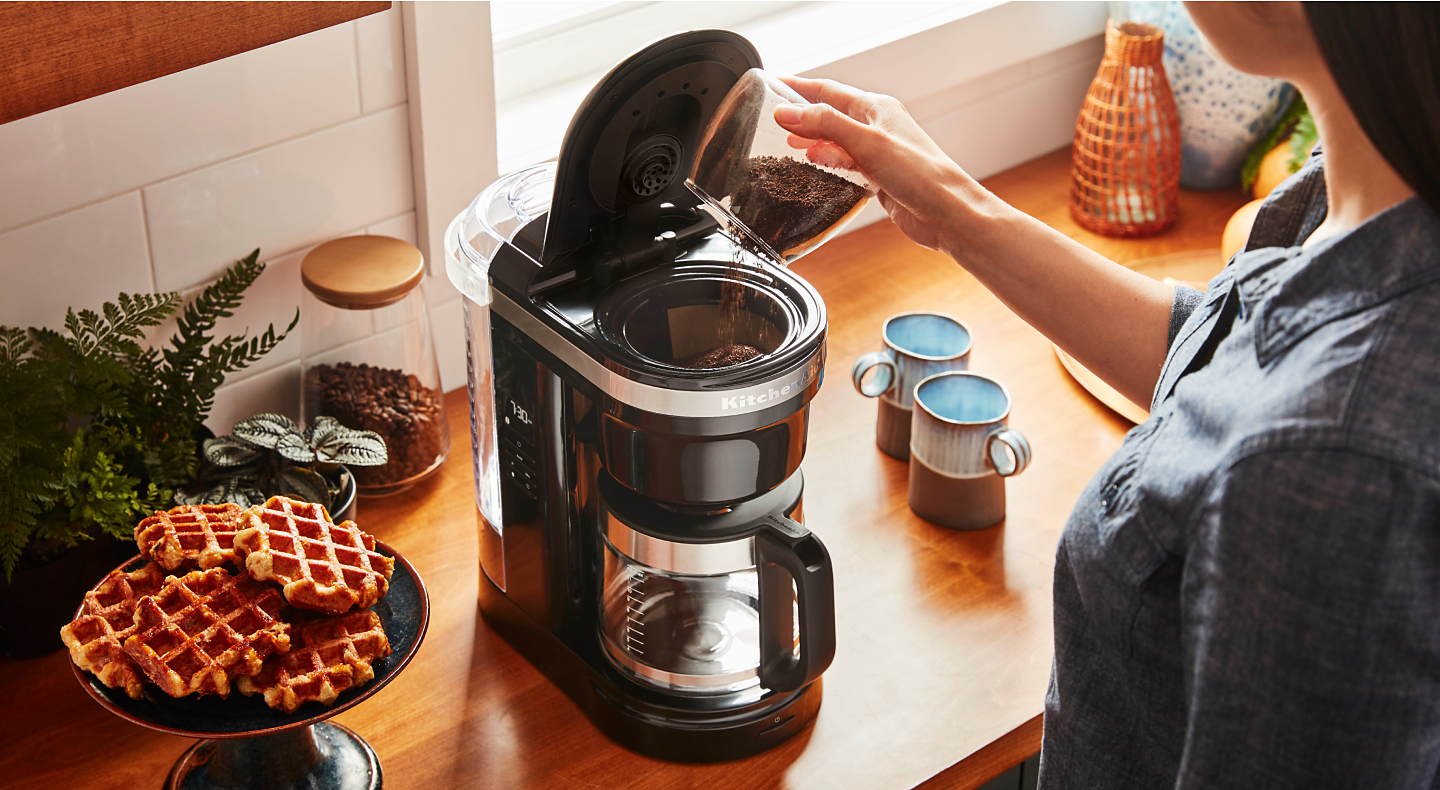
You can also use the same mild solution for cleaning coffee pots, home breweries, iced tea makers, and ice machine lines.

How to use NACS drops to sanitize coffee pots and iced tea makers:

  • Fill the water tank with the mild solution.
  • Turn on the appliance.
  • Rinse by adding fresh distilled water and running the cycle a couple of times.

This will clean the system and help remove any biofilm.

How to use NACS drops for ice machine lines:

  • Turn off the water supply first.
  • Run the mild solution through the lines.
  • Allow it to sit for a few minutes before rinsing.

Tableware

Including stainless silverware, glassware, dishes, etc.

Soaking your dishes, glasses, and stainless-steel silverware can effectively remove biofilm, grease, and leave everything clean and sparkling.

How to use NACS drops to sanitize your tableware:

Instructions:

  • Fill your sink with dishes, glasses, and silverware.
  • Activate 30 drops of Part 1 & Part 2 and let them sit for 30 seconds.
  • Add the activated solution to the sink.
  • Allow your items to soak for 10 minutes or more.

This method is particularly effective for cleaning the area between fork tines, where regular washing may struggle.

With these solutions, you can maintain a clean and safe food preparation environment at home and ensure your produce is free from unwanted chemicals and contaminants using the power of chlorine dioxide.


Using Chlorine Dioxide as Water Treatment Drops In the Field

Ensuring water safety is crucial when visiting places with unknown water quality, such as remote camping sites, hiking areas, or foreign countries. Drinking or using contaminated water for cooking, food preparation, and personal hygiene can lead to illnesses like diarrhea, vomiting, and stomach pain. Treating such symptoms without access to medical care or while traveling can be challenging.

Water contamination is more common in areas lacking sanitation or water treatment infrastructure, like campgrounds, remote regions, or certain foreign destinations. Notably, contaminated water may appear clean, underscoring the importance of knowing the water source, its treatment process, and safety before consumption. While bottled water can be a convenient option, it’s essential to be aware of its origin and treatment, especially in remote locations.

Some individuals, such as young children, pregnant women, older adults, and those with weakened immune systems, are more susceptible to infections from exposure to contaminated water. To combat waterborne germs effectively, chlorine dioxide water purification drops can be employed, particularly against resistant organisms like Cryptosporidium and Giardia parasites, following the manufacturer’s instructions carefully.

Pathogens found in contaminated water include:

    • Protozoa, such as Cryptosporidium and Giardia, are increasingly widespread in North America.
    • Bacteria are present worldwide, with some causing illnesses like diarrhea and dysentery.
    • Viruses, which cause diseases like hepatitis and polio, are smaller than bacteria or protozoa.

Chlorine dioxide water purification drops also combat viruses, offering protection against viruses like hepatitis A, rotavirus, norovirus, and others which might not be effectively filtered by most systems in less-developed areas.

Practicing good hygiene, like handwashing with soap and water before handling food, eating, and after using the toilet, is crucial when traveling. If water isn’t readily available, using a hand sanitizer with at least 60% alcohol is recommended.

Chlorine dioxide water treatment drops are highly beneficial for various scenarios, including emergency kits, international travel, rural areas, and outdoor activities, as well as preserving stored water. A single kit of these drops can treat up to 120 gallons of water.

The chlorine dioxide water treatment drops come in a two-part chemical kit. Part 1 contains a 22.4% sodium chlorite solution, while Part 2 comprises a 50% citric acid solution. When combined, they form the water purifier (chlorine dioxide), resulting in a yellowish-brown color after 30 seconds of activation. Once activated, the solution can be added to a water bottle, and after waiting for 7 minutes, the water is ready to drink. Longer wait times are necessary for cold water, turbid water, or to inactivate cryptosporidium cysts.

Chlorine dioxide is highly effective against Giardia and Cryptosporidium. When dealing with suspected contamination of Cryptosporidium, it is recommended to let the water sit for 30 minutes before consumption. By following proper water purification procedures, we can safeguard our health and well-being during our travels and adventures.


Chlorine Dioxide Water Purification Drops Alternative Health

Chlorine dioxide is a powerful oxidizing agent that has found numerous applications in wastewater treatment and food disinfection. It is commonly used by campers to disinfect water from natural sources before consumption. However, its use as a treatment option for various diseases and conditions has gained popularity in alternative medicine, despite strong opposition from the mainstream medical community. The controversy surrounding chlorine dioxide is undeniable.

At room temperature, chlorine dioxide exists as a gas and is highly soluble in water. It is produced by combining 28 percent sodium chlorite solution with an acid such as citric acid. With its simple molecular structure consisting of one chlorine atom and two oxygen atoms, chlorine dioxide spontaneously decomposes into hypochlorite and superoxide. These molecules are naturally produced by living cells, particularly immune cells, as a response to infection.

Jim Humble, initially trained as an aerospace engineer, played a pivotal role in highlighting the unique benefits of chlorine dioxide. During a gold mining expedition in South America, while using chlorine dioxide for water treatment, he made a serendipitous discovery. He observed that chlorine dioxide rapidly restored the health of individuals suffering from malaria, suggesting its potential in enhancing the immune cell response to infection. Intrigued by this success, Humble devoted himself to sharing his findings with the world and exploring the therapeutic potential of chlorine dioxide for other diseases. It became his lifelong obsession.

In his book MMS Health Recovery Guidebook, Jim Humble presents a comprehensive list of diseases for which chlorine dioxide is recommended as a treatment option. The range of conditions includes cancer, diabetes, hepatitis A, B, and C, Lyme disease, MRSA, multiple sclerosis, Parkinson’s, Alzheimer’s, HIV/AIDS, malaria, autism, various infections, arthritis, acid reflux, kidney or liver disease, aches and pains, allergies, urinary tract infections, digestive problems, high blood pressure, obesity, parasites, tumors and cysts, depression, sinus problems, eye diseases, ear infections, dengue fever, skin problems, dental issues, prostate problems (high PSA), erectile dysfunction, and many others.

Many of these diseases have been linked to glyphosate exposure, either due to their increasing prevalence in line with the rise in glyphosate usage or the potential disruption of glycine function in specific proteins. Glyphosate, the active ingredient in the herbicide Roundup widely used in conventional agriculture for weed control and desiccation, has become a pervasive contaminant in our food supply.

Alternative medicine practitioners have found potent antimicrobial agents with the ability to nonenzymatically break down glyphosate. Moreover, water treatment plants commonly utilize chlorine dioxide as a disinfectant, which is fortunate in terms of mitigating glyphosate contamination. Without this practice, the issue of glyphosate exposure through the water supply would likely be much more severe. It is worth noting that glyphosate was initially patented as a chemical for cleaning pipes due to its ability to strip metals from them.

Kerri Rivera, a mother of an autistic child, shares the same desperate desire as many parents to improve the symptoms associated with autism. In her pursuit to find an effective treatment for her son, she spent a significant amount of money exploring various options. However, it was the noticeable improvements she witnessed through chlorine dioxide treatment that motivated her to actively promote its potential benefits for autism.

Kerri has developed a comprehensive protocol for treating autism, which includes a combination of nutritional supplements like chondroitin sulfate and vitamin D, as well as a modified ketogenic diet that eliminates gluten and casein. While the protocol may incorporate other elements such as anti-parasitic medications, humic and fulvic acid, black seed oil, digestive enzymes, binders, thyroid supplements, ionic foot baths, and hyperbaric oxygen, she strongly believes that frequent and small doses of chlorine dioxide throughout the day are essential. To evaluate progress, Kerri employs the Autism Treatment Evaluation Checklist (ATEC), a questionnaire used as a metric. Higher scores on the checklist indicate more severe autism, while a score below ten suggests that the child is not autistic. Kerri claims to have assisted thousands of children, with over six hundred having their autism completely reversed according to the ATEC scores. She attributes this success to the key role of chlorine dioxide, which she describes as an “inexpensive, broad-spectrum, gentle anti-pathogenic” substance. It is noteworthy that no other practitioners have reported achieving such significant results in the treatment of autism. Interestingly, some of Kerri’s patients have parents who opted not to use chlorine dioxide due to the surrounding controversy, but none of those children experienced a successful reversal of their autism. Notably, mainstream media and even Amazon have made efforts to discredit Kerri’s work, leading to the removal of her book, Healing the Symptoms Known as Autism.


Chlorine dioxide can be easily obtained without a prescription for purifying lake or river water, ensuring safe drinking while camping in wilderness settings as water purification drops.

The medical establishment often portrays chlorine dioxide as a dangerous substance that should never be utilized in medicine due to its simplicity, low cost, and lack of patentability. However, this portrayal is an exaggeration. Oxygen itself is highly reactive, yet we certainly do not advise people against breathing it.

When it comes to breaking down glyphosate, chlorine outperforms chlorine dioxide. However, chlorine is too toxic to be used for medicinal purposes. Chlorine also reacts with organic matter, producing highly toxic chlorinated by-products, whereas chlorine dioxide does not. In fact, chlorine dioxide possesses distinct chemical properties compared to pure chlorine. Chlorine dioxide has a preference for oxidizing sulfur in sulfur-containing molecules, which can be particularly beneficial in addressing sulfite oxidase deficiencies caused by genetic defects or exposure to toxic chemicals like glyphosate.

Both hypochlorite and superoxide, another breakdown product of chlorine dioxide, are natural oxidizing agents produced by immune cells during their defense against pathogens. Thus, chlorine dioxide enables immune cells to be more effective in combating gut pathogens. Additionally, chlorine dioxide may serve as a source of chloride to support the stomach’s maintenance of an acidic pH. Insufficient stomach acid impairs the metabolism of proteins, leading to autoimmune diseases.

In the book “DMSO for Humans” by Herb Roi Richards, Ph.D., the author suggests a method of utilizing chlorine dioxide in combination with DMSO for topical application, specifically targeting pathogens with precision without the need for puncturing the skin. This approach, referred to as injectionless delivery, involves mixing DMSO with chlorine dioxide and gently rubbing the mixture onto the desired area. However, it is important to exercise caution and ensure that both the area of application and the hands used for applying the mixture are thoroughly clean and free from any cleaning residue.

Chlorine Dioxide for Humans Book

Paris Humble, the daughter of Jim Humble, has endorsed a book titled “Healthy Alternative Chlorine Dioxide Uses” that explores the various non-pharmacological methods and applications of chlorine dioxide for health restoration. In her book, she provides valuable insights into alternative health practices involving chlorine dioxide.


Chlorine Dioxide Water Treatment

Chlorine dioxide is a chemical compound that has gained a reputation as a highly effective water treatment solution. Chlorine dioxide water treatment has been used for many years to purify water in industrial and municipal settings, as well as by individuals who need to treat their water while out in the field, such as hikers, campers, and explorers.

The discovery of chlorine dioxide’s effectiveness as a water treatment solution can be traced back to the early 19th century. In 1811, Sir Humphry Davy, a British chemist, first observed the bleaching properties of chlorine dioxide while experimenting with potassium chlorate and hydrochloric acid. However, it wasn’t until the mid-20th century that chlorine dioxide was recognized as a potential water treatment solution.

One of the first recorded uses of chlorine dioxide water treatment was in Germany in the 1940s. During World War II, German scientists began using chlorine dioxide to purify drinking water for soldiers in the field. The German military found that chlorine dioxide was highly effective at killing bacteria and viruses in water, and it was also able to remove unwanted odors and tastes. Following the war, the use of chlorine dioxide as a water treatment solution spread throughout Europe and eventually to other parts of the world.

In the United States, the use of chlorine dioxide water treatment began in the 1950s. Initially, it was used primarily in the pulp and paper industry to bleach wood pulp. However, in the 1960s, chlorine dioxide water treatment was deemed effective in killing bacteria and viruses, as well as in the removal of unwanted tastes and odors.  This quickly made chlorine dioxide water treatment the popular choice for municipal water treatment.

One of the key advantages of chlorine dioxide water treatment is its versatility. Chlorine dioxide water treatment drops can be used to treat a wide range of water sources, including surface water, groundwater, and wastewater. It is also effective at removing a wide range of contaminants, including bacteria, viruses, protozoa, and algae. Unlike other water treatment solutions, chlorine dioxide does not react with organic matter in water to produce harmful byproducts, such as trihalomethanes (THMs).

Chlorine dioxide is also highly effective at controlling biofilm growth in water systems. Biofilms are slimy layers of bacteria that can build up on surfaces in water systems and lead to the growth of harmful pathogens. Chlorine dioxide can penetrate the biofilm layer and kill the bacteria, helping to prevent the growth of harmful pathogens.

Today, chlorine dioxide water treatment is widely used as the primary solution in a variety of settings. It is used to treat municipal drinking water systems, as well as in industries such as food and beverage processing, pulp and paper production, and oil and gas exploration. It is also a popular choice for individuals who need to treat their water while out in the field, such as military, explorers, hikers, and campers.

When treating water in the field, chlorine dioxide travel pack water treatment drops can be used in a number of different ways. One of the most popular methods is to use a two-part chlorine dioxide kit which when combined in equal parts creates chlorine dioxide on site in 30 seconds, then it is added to water to purify it. These kits typically contain a predetermined percentage of sodium chlorite and citric acid respectively, which when mixed and allowed to activate for 30 seconds creates chlorine dioxide. These drops are highly effective at killing bacteria and viruses.